No-KYC Crypto Cards: What They Really Offer
"No KYC" is the most searched attribute in this category, and what it actually describes is tiered verification: light checks and a small monthly cap at the bottom, rising limits and stronger rewards as you verify. Both models have a place — this page sets out what each level gets you, so you can pick the rung that fits what you want the card to do.

The short answer
- "No KYC" in practice means tiered verification: light checks with a small cap, rising limits as you verify.
- Low-verification cards suit small, separate spending — a virtual card for online purchases you would rather keep apart from your main account.
- Verifying unlocks the rest of the category: higher limits, wider country coverage, cashback programmes and chargeback support.
- The two strongest cards we have reviewed — Bybit and Binance — sit on the verified tier, which is where the 100% subscription rebate and multi-asset spending live.
How verification tiers work
A crypto card is issued through a regulated banking partner on the Visa or Mastercard network. That network membership is what makes the card work in millions of shops worldwide, and it is also why verification sits on a ladder: light checks are permitted at low value, and the limits rise as you confirm more.
Reading it as a ladder rather than a yes/no makes the choice straightforward — pick the rung that matches the job you want the card to do.
What the light-verification rung gets you
- Email-only signup with a modest monthly cap — typically a few hundred units of currency.
- Virtual card issued instantly, which is exactly what you want for online checkouts and subscriptions.
- Good for keeping spending separate from your main account without a lengthy application.
- Rewards programmes generally start on the verified tier, so this rung is about convenience rather than cashback.
What full verification adds
- Materially higher limits — enough to use the card as a primary spending card.
- Cashback programmes, including Bybit's 2–10% ladder and its 100% subscription rebate.
- A physical card alongside the virtual one, plus Apple Pay and Google Pay.
- Dispute and chargeback support — real protection when a payment goes wrong.
- Wider country coverage, since verified products are offered in more markets.
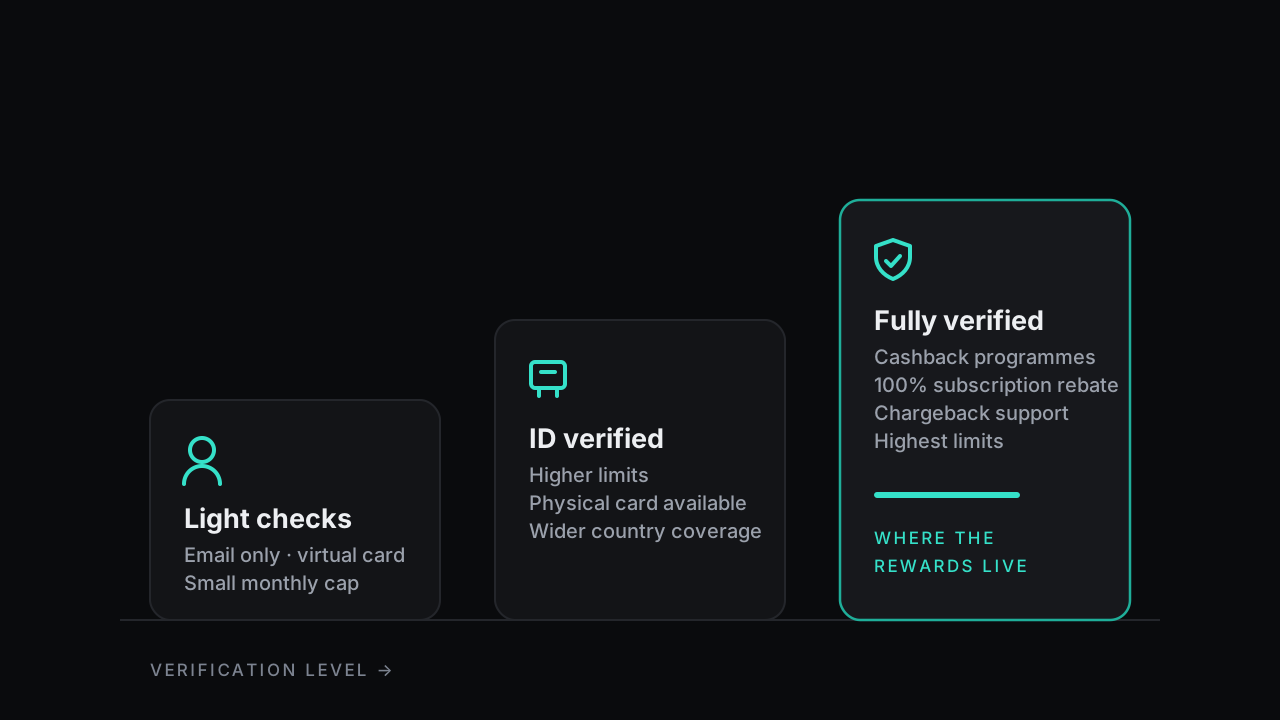
Which rung fits you
If you want privacy from casual observers — keeping day-to-day spending separate, staying off marketing lists — a low-limit virtual card does that well, and you can have one in minutes. It is a genuinely useful tool for a specific job.
If you want the card to be your main way of spending, verification is the step that unlocks it: higher limits, the cashback programmes, and chargeback support if a payment goes wrong. It is a one-time process, and on the exchange cards it takes minutes rather than days.
How we treat this topic
We list what each issuer states, including the limits at every tier, so you can pick the rung that suits you. We do not publish workarounds for identity checks — and where a card's marketing and its actual terms differ, we go with the terms.
Low-verification cards we have reviewed
Two email-only virtual cards have passed our issuer-page check. Neither names its issuing bank on its own site, both charge for the convenience, and we have said so on each review — read them before you deposit.
- IZIPAY Virtual Crypto Card review — $49.99 one-time, flat 3% top-up, KYC for higher limits
- CasherCard Virtual Visa review — $4 per card, 5% top-up, email-only sign-up
Want the background on why verification exists at all? Read Crypto card KYC, explained.
Frequently asked questions
What does 'no KYC' mean on a crypto card?
It means you can get the card with light checks rather than full identity verification — usually no passport, proof of address or selfie check. These cards are quick to obtain and come with a modest monthly spending cap, which makes them well suited to separate online spending rather than to use as a main card.
Are there any genuinely anonymous crypto cards?
Cards running on the Visa and Mastercard networks sit inside a regulated payment chain, so the issuing partner applies checks that scale with value. Cards marketed as no-KYC operate at the low-value end of that ladder. That network membership is also what makes them work in millions of shops worldwide.
Do Binance and Bybit cards require KYC?
Yes — both sit on the verified tier. Bybit asks for an ID and address check, Binance for a verified exchange account. That is the tier where the cashback programmes, the 100% subscription rebate, higher limits and chargeback support all live, and verification is a one-time step that usually takes minutes.
What do you gain by verifying?
Materially higher spending and top-up limits, access to cashback programmes, a physical card alongside the virtual one, wider country coverage, and dispute and chargeback support if a payment goes wrong. On the exchange cards it also unlocks perks like Bybit's 100% rebate on selected subscriptions.
Is using a no-KYC crypto card legal?
Using one is generally legal where the card is offered — the verification obligation sits with the issuer rather than with you. Reduced verification does not change your own tax obligations, and a card marketed as no-KYC may still request documents if you later raise your limits.
Next
- Bybit Card review — 2–10% cashback and the 100% subscription rebate
- Binance Card review — spend ten assets, four of them stablecoins
- How to reload a crypto card — the cheapest way to keep it funded
Verification rules change and vary by country. Figures cited here were checked against each issuer's own page on September 2026. We publish no star ratings of our own and take no payment for placement. This is not financial or legal advice.